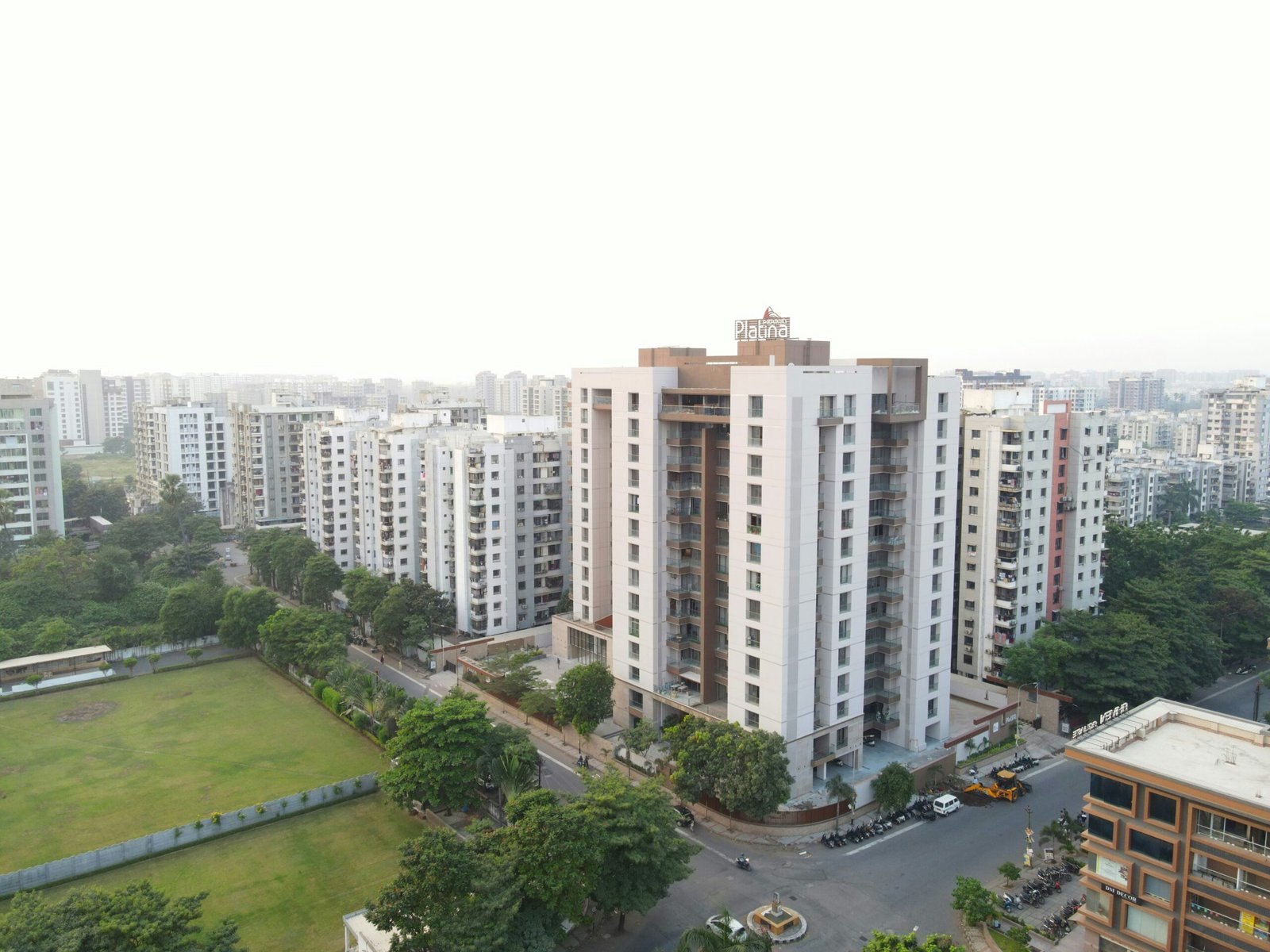
Introduction to Hyderabad’s Real Estate Market in 2026
Hyderabad, a city renowned for its rich cultural heritage and rapid technological advancements, is evolving as a key player in India’s real estate market. As of 2026, the landscape of real estate in Hyderabad is projected to witness significant transformation driven by robust economic growth and infrastructural developments. The local government’s initiatives to promote investment and create job opportunities have placed Hyderabad on the map as a prime destination for real estate buyers and investors.
Recent statistics indicate a steady increase in property prices over the past few years, with residential and commercial segments reflecting upward trends. The residential sector, in particular, has seen a surge in demand, largely fueled by an influx of professionals seeking housing options in proximity to their workplaces. Additionally, commercial real estate has gained traction, driven by the expansion of IT hubs and start-up ecosystems enhancing the city’s appeal as a business-friendly location.
In terms of infrastructure, the completion of projects such as the Hyderabad Metro and the Regional Ring Road is expected to enhance connectivity, further elevating the attractiveness of various neighborhoods. As a result, areas previously considered peripheral are now emerging as hotspots for real estate investment. Moreover, the anticipated growth in the population, primarily from migration, will likely contribute to increased demand for both residential and commercial spaces.
To summarize, the real estate market in Hyderabad is at the cusp of substantial growth leading into 2026. The combination of its economic prowess, improving infrastructure, and burgeoning demand makes it an enticing prospect for investors and homebuyers alike. As we delve deeper into this topic, we will explore specific trends and opportunities redefining this dynamic market, providing a closer look at what is shaping Hyderabad’s real estate landscape in the coming years.
Economic Factors Influencing Real Estate
The economic landscape of Hyderabad, India, is a crucial determinant of the real estate market’s trajectory leading up to 2026. Several macroeconomic indicators such as Gross Domestic Product (GDP) growth, employment rates, and investment trends significantly drive housing demand and real estate development.
Hyderabad has consistently exhibited robust GDP growth, which is a pivotal factor influencing the real estate sector. The city’s economy, bolstered by sectors like information technology, pharmaceuticals, and manufacturing, has transformed Hyderabad into a prime destination for businesses and investors. As the GDP continues to expand, the resultant economic prosperity is likely to enhance people’s purchasing power, thereby increasing demand for residential and commercial properties.
Employment rates are another critical factor that impact the real estate market. A growing job market in sectors such as technology and healthcare not only attracts a young and skilled workforce but also stimulates urban migration. The influx of professionals seeking housing can drive up the demand for real estate, especially in well-connected areas. Moreover, the government initiatives aimed at boosting employment through startups and foreign investments further complement this demand.
Alongside GDP and employment, interest rates and inflation also play influential roles in shaping the real estate environment. Low-interest rates make borrowing more affordable, empowering more individuals to buy homes. Conversely, inflation can erode purchasing power, potentially dampening demand unless balanced by wage growth. Nevertheless, the overall economic indicators suggest a favorable climate for real estate development in Hyderabad leading up to 2026, as continued growth in various sectors enhances the appeal of property investments in the region.
Infrastructure Developments and Their Impact
Hyderabad, as one of India’s most rapidly developing cities, is witnessing significant infrastructure projects that are set to reshape its urban landscape and enhance the real estate sector. Over the coming years, several initiatives, particularly in transportation and utility expansion, are anticipated to substantially elevate property values and attract both national and international investments.
One of the most critical components of Hyderabad’s infrastructure development is the expansion of its transportation network. The Hyderabad Metro Rail project, for instance, has already begun transforming the way residents commute. By connecting key areas of the city, it facilitates easier access to commercial and residential hubs, thereby increasing the desirability of locations near metro stations. Furthermore, the planned expansion of the metro lines is expected to cover additional areas, enhancing connectivity and driving up real estate demand.
In addition to the metro system, enhancements to road networks, such as the Outer Ring Road and various flyovers, improve traffic flow and reduce congestion. These advancements not only enhance the quality of life for residents but also make suburban areas more appealing for investment in residential properties, further boosting the overall real estate market in Hyderabad.
Utility developments, including reliable electricity, water supply, and waste management systems, are also pivotal in supporting the booming construction of residential complexes. The government has recognized the importance of sustainable urban living and is investing in smart city initiatives that incorporate new technologies for better urban planning. This focus on infrastructure will likely lead to elevated property values and heightened interest from investors.
Ultimately, the interplay between infrastructure development and the real estate market in Hyderabad is clear. As the city continues to grow and modernize its infrastructure, it will cultivate a fertile environment for real estate growth, thereby establishing itself as a key player in India’s economic landscape by 2026.
Demand Dynamics: Residential vs. Commercial Properties
As Hyderabad continues to develop into a major economic hub in India, understanding the demand dynamics for residential and commercial properties is essential. By 2026, the city is expected to witness significant changes in demographic trends and migration patterns that will influence consumer preferences across both sectors.
The residential property market in Hyderabad is primarily driven by a growing population, which is projected to increase due to migration from various parts of the country. As people relocate for better job opportunities, the demand for affordable housing options will rise. Young professionals and families are increasingly seeking properties that offer modern amenities and are well-connected to the city’s transport networks. Consequently, residential complexes featuring shared facilities such as gyms, parks, and co-working spaces are likely to experience heightened interest.
In contrast, the commercial real estate sector is also poised for growth, particularly in technology and service-oriented industries. The influx of IT companies and startups into Hyderabad has spurred demand for office spaces, co-working environments, and retail outlets. As companies expand their operations and new firms emerge, securing prime commercial locations will become a key focus. Additionally, changing consumer behavior, driven by the rise of e-commerce and digital services, will create a need for retail spaces that cater to online businesses as well as traditional storefronts.
Another trend affecting demand is the growing emphasis on sustainability and eco-friendly developments. Both residential and commercial property buyers are becoming more discerning, looking for green certifications and energy-efficient designs. In response, developers are likely to prioritize sustainable building practices to attract these environmentally conscious consumers.
Ultimately, as Hyderabad evolves, the interplay between residential and commercial demand will create unique opportunities and challenges within the real estate market, with varying implications for stakeholders in each sector.
Government Policies and Regulations
The real estate landscape in Hyderabad is significantly influenced by a variety of government policies and regulatory frameworks. These interventions play a crucial role in shaping the market conditions, impacting both homebuyers and developers alike. The Telangana state government has implemented various initiatives that aim to promote sustainable development, enhance transparency, and encourage investment in the real estate sector.
One notable policy is the “Telangana State Industrial Project Approval and Self-Certification System” (TS-iPASS), which expedites the approval process for real estate projects. This policy not only streamlines the bureaucratic process but also aims to reduce the time taken for project approvals, creating a favorable environment for developers. As a result, potential investors are more inclined to enter the Hyderabad real estate market.
Additionally, the “Regulation of Real Estate Transactions Act” (RERA) serves to protect the interests of homebuyers. By mandating transparency, it establishes a framework for builders to adhere to aimed at ensuring timely delivery of projects and adherence to promised specifications. This legal guarantee fosters trust among potential buyers, encouraging them to invest in properties without the fear of unforeseen complications.
The government has also introduced various financial incentives aimed at enhancing homeownership. Subsidies on home loans for low and middle-income groups, as well as tax exemptions and rebates, have been introduced to motivate individuals and families to become homeowners. Such policies are especially relevant given Hyderabad’s rapid urbanization and growing housing demand, ensuring that a broad segment of the population can access the real estate market.
In summary, the government’s strategic policies and incentives play a pivotal role in shaping Hyderabad’s real estate sector, promoting growth while balancing the needs of developers and buyers alike. Understanding these frameworks is essential for anyone looking to navigate the complexities of the market in the coming years.
Investment Opportunities and Risks
Hyderabad’s real estate market in 2026 presents a variety of investment opportunities supported by strong economic growth and urban development. The city, often referred to as “Cyberabad,” is a hub for information technology and digital services. Consequently, investments in commercial properties, particularly in tech parks and office spaces, are likely to yield substantial returns as businesses continue to expand their footprint in the region. Additionally, residential real estate options, especially in emerging neighborhoods, present lucrative opportunities for both developers and individual buyers.
The demand for affordable housing is on the rise, prompting the government to introduce policies aimed at boosting the construction of low-cost housing projects. Investors focusing on the affordable segment can capitalize on both government schemes and a growing middle-class population seeking budget-friendly housing solutions. Furthermore, with infrastructure enhancements such as the Hyderabad Metro and road connectivity projects, areas previously considered peripheral are now gaining traction, offering ripe opportunities for early investments.
However, prospective investors must also be cognizant of the associated risks within this dynamic market. Regulatory risks can pose significant challenges, especially with changing government policies and zoning laws that could impact property values. The cyclical nature of real estate markets means that fluctuations in demand must be closely monitored. Moreover, potential buyers should be wary of the increasing prices driven by speculation, which could lead to overvaluation in certain areas.
In addition to this, external economic factors, such as shifts in interest rates and inflation, can also affect investment outcomes. Adopting a cautious approach that includes thorough market research and consideration of long-term trends will equip investors to navigate the opportunities and risks inherent in Hyderabad’s thriving real estate sector.
Market Competitors and Key Players
The real estate landscape in Hyderabad, India, is marked by a diverse array of major developers and firms that are instrumental in shaping its future. The market comprises both established players and emerging companies, each contributing to the city’s dynamic growth. Prominent developers such as Omaxe Limited, Puravankara, and Gulmohar Developers have made significant investments in the residential and commercial segments, aligning with the city’s evolving infrastructure and economic prospects.
In addition to these established names, new entrants are making their mark by deploying innovative strategies and technologies. Companies like Skyview Developers and Urbanrise focus on leveraging digital platforms to enhance customer engagement and streamline the purchasing process. These firms are also tackling environmental challenges by integrating sustainable practices into their development projects, aligning with global trends towards responsible construction.
The competitive milieu is further enriched by local firms that possess deep insights into the Hyderabad market. Players such as Mahindra Lifespace and Prestige Group have been active in identifying emerging neighborhoods and capitalizing on the growing demand for affordable housing, thereby ensuring market relevance. With significant investments in R&D and customer service, these companies aim to foster client loyalty and build lasting relationships.
Strategically, the leading competitors are emphasizing diversification. By entering new market segments, including luxury housing and commercial real estate, they create avenues for growth amidst fluctuating economic conditions. Innovations in construction technology and customer experience enhancement have also become focal points in their competitive strategies.
Future Trends in Real Estate: Technology and Sustainability
The future of real estate in Hyderabad is poised for a significant transformation driven by emerging trends in technology and sustainability. Smart homes are at the forefront of this evolution, enabling homeowners to integrate advanced technology into their living spaces. These homes feature interconnected devices that enhance convenience and efficiency, providing remote access to essential home functions such as lighting, security, and climate control. By 2026, it is anticipated that such smart technologies will become standard in new developments, attracting a tech-savvy demographic eager for modern conveniences.
In addition to smart homes, the application of technology in property management is set to revolutionize how real estate is managed and maintained. Property managers in Hyderabad are increasingly adopting sophisticated software solutions to streamline operations, from tenant management to maintenance requests. This not only promotes efficiency but also enhances the overall experience for tenants and landlords alike. Furthermore, data analytics will play a crucial role in understanding market trends and tenant preferences, thereby aiding in informed decision-making regarding property investments.
Sustainability is another driving force reshaping the real estate landscape in Hyderabad. As environmental concerns gain prominence, there is a growing emphasis on sustainable building practices. Developers are increasingly focusing on green certifications, energy efficiency, and the use of environmentally-friendly materials in construction. By 2026, it is expected that sustainable practices will not only be encouraged but may also become a regulatory requirement, influencing property valuations and buyer preferences. The integration of renewable energy sources, such as solar panels, into residential and commercial properties is also projected to gain momentum as society moves toward a more sustainable future.
By emphasizing technology and sustainability, the real estate market in Hyderabad is set to not only meet the demands of modern living but also contribute positively to global environmental goals. Real estate stakeholders must stay attuned to these trends to remain competitive in an evolving landscape.
Conclusion: The Future Outlook for Hyderabad’s Real Estate
The real estate market in Hyderabad is poised for significant growth in the coming years, driven by a variety of factors that contribute to its robust development. The city has established itself as a major hub for technology, education, and healthcare, attracting a diverse range of businesses and talent. This influx of economic activity positions Hyderabad favorably against other metropolitan cities in India, ensuring sustained demand for residential and commercial properties.
Several key trends are likely to shape the future of real estate in Hyderabad by 2026. First, the city’s ongoing infrastructure projects, including the expansion of public transportation and the development of new business districts, will enhance accessibility and connectivity. This improved infrastructure will make various localities more desirable for both homebuyers and investors, thereby stimulating property values over time.
Another important aspect to consider is the increasing interest in sustainable and smart living spaces. As buyers become more environmentally conscious, builders are likely to focus on integrating green technologies and energy-efficient solutions into new developments. This shift will not only cater to the preferences of potential homeowners but will also contribute to the overall reputation of Hyderabad as a progressive city.
Additionally, as the city continues to attract multinational corporations and startups alike, the demand for commercial real estate will likely increase, creating more opportunities for investors. The growth of the IT and startup sector will further enhance job opportunities, thereby boosting the population and, in turn, the need for housing. Stakeholders must remain agile in responding to market changes and consumer preferences to leverage these opportunities effectively.
In conclusion, Hyderabad’s real estate sector is on a positive trajectory, influenced by a combination of economic growth, infrastructural development, and evolving consumer needs. By monitoring these trends and adapting strategies accordingly, stakeholders can position themselves advantageously within this dynamic market.